Insights & Blog
Our content is focused on practical execution and lessons learned from operating real platforms.
Mar 4, 2026
The Evolution of Payments — From Cash to Digital Assets
The way we exchange value has undergone a massive transformation over the past few decades.
What began with physical cash has now evolved into a complex ecosystem of digital payments, embedded finance, and digital assets.
The Shift Away from Cash
Cash once dominated global transactions due to its simplicity and universal acceptance. However, it comes with limitations — lack of traceability, inefficiency in large transfers, and vulnerability to loss or theft.
The rise of credit cards and online banking marked the first major leap toward digitization. Today, consumers expect instant, seamless, and borderless payments.
Digital assets represent the next phase in financial evolution. Unlike traditional systems, they enable near-instant global transfers, reduced reliance on intermediaries, programmable transactions through smart contracts, and greater transparency in financial flows.
These capabilities are redefining how individuals and businesses manage money.
Why This Matters for Businesses
For modern businesses, integrating digital asset payment infrastructure is no longer optional — it’s a competitive advantage.
Companies that adopt early can expand globally without traditional banking friction, reduce transaction costs, and offer innovative financial services to customers.
The Role of Platforms Like Eminno
Eminno is positioned at the intersection of traditional finance and digital innovation. By enabling seamless payment solutions that incorporate digital assets, it helps businesses future-proof their financial operations.
Looking Ahead
As regulations mature and adoption increases, digital assets are expected to become a standard layer within global finance — not a niche alternative.
Digital assets can be used by individuals and businesses
Digital assets come in several forms, each offering distinct advantages for both individuals and businesses:
1. Cryptocurrencies (e.g., Bitcoin, Ethereum)
Cryptocurrencies are decentralized digital currencies secured by cryptography and typically operate on blockchain networks. They allow businesses to process faster cross-border payments with lower fees and reduce reliance on traditional banking systems, while also opening access to global markets. For individuals, cryptocurrencies offer greater financial independence, lower remittance costs, and opportunities for investment, though they can be volatile.
2. Stablecoins (e.g., USDT, USDC)
Stablecoins are digital currencies designed to maintain a stable value by being pegged to assets such as fiat currencies. This stability makes them practical for everyday transactions and financial operations. Businesses benefit from predictable pricing and smoother payment processing, while individuals can use them as a less volatile store of value and a convenient way to transfer money digitally.
3. Non-Fungible Tokens (NFTs)
NFTs are unique digital tokens that represent ownership of specific digital or physical items, often recorded on a blockchain. Businesses use NFTs to create new revenue streams, market digital products, and strengthen customer engagement through exclusive content or collectibles. Individuals, particularly creators, benefit by monetizing their work and maintaining verifiable ownership of their digital assets.
4. Security Tokens
Security tokens are digital representations of traditional financial assets such as shares, bonds, or real estate, typically issued on blockchain platforms. For businesses, they provide innovative ways to raise capital, enable fractional ownership, and improve liquidity. Individuals gain access to a broader range of investment opportunities, often with lower entry barriers compared to conventional financial markets.
5. Utility Tokens
Utility tokens are digital assets that grant access to a specific product, service, or feature within a platform or ecosystem. Businesses use them to encourage user participation, build customer loyalty, and support ecosystem growth, sometimes as part of fundraising efforts. Individuals benefit by gaining access to exclusive services or discounts and may also see value appreciation depending on the platform’s success.
6. Central Bank Digital Currencies (CBDCs)
CBDCs are digital forms of a country’s official currency issued and regulated by central banks. They aim to modernize payment systems by making transactions faster, more secure, and more efficient. Businesses can benefit from reduced transaction costs and quicker settlements, while individuals gain access to reliable digital money backed by the government, potentially improving financial inclusion.
7. Digital Files and Intellectual Property (e.g., documents, media, software)
Digital files and intellectual property include non-blockchain assets such as documents, images, videos, software, and proprietary data. These assets are essential for both business operations and personal use. Businesses leverage them for branding, productivity, and revenue generation through licensing or sales, while individuals can create, own, and monetize content or skills in the digital economy.
Share
" width="24px"/><path d="M 20 0 C 8.955 0 0 8.988 0 20.074 C 0 29.488 6.458 37.387 15.168 39.557 L 15.168 26.208 L 11.045 26.208 L 11.045 20.074 L 15.167 20.074 L 15.167 17.431 C 15.167 10.599 18.248 7.431 24.932 7.431 C 26.198 7.431 28.385 7.681 29.278 7.929 L 29.278 13.489 C 28.51 13.43 27.739 13.406 26.968 13.416 C 23.69 13.416 22.422 14.662 22.422 17.904 L 22.422 20.074 L 28.955 20.074 L 27.833 26.208 L 22.422 26.208 L 22.422 40 C 32.327 38.801 40 30.336 40 20.074 C 40 8.988 31.045 0 20 0 Z" fill="rgb(43, 75, 227)" height="40px" id="YAShgn_8d" width="40px"/></svg>)
" height="38px" id="WauwL0myl" transform="translate(0.993 0.997)" width="38px"/><path d="M 9.765 2.608 C 4.373 2.61 0.002 6.98 0 12.37 C 0.002 17.761 4.373 22.13 9.765 22.132 C 15.158 22.13 19.529 17.761 19.531 12.37 C 19.529 6.98 15.158 2.61 9.765 2.608 Z M 9.765 18.702 C 6.266 18.701 3.43 15.865 3.431 12.368 C 3.431 8.87 6.268 6.035 9.767 6.035 C 13.266 6.036 16.102 8.872 16.102 12.369 C 16.101 15.867 13.264 18.702 9.765 18.702 Z M 22.197 2.22 C 22.219 3.049 21.789 3.825 21.074 4.245 C 20.36 4.666 19.473 4.666 18.759 4.245 C 18.044 3.825 17.614 3.049 17.636 2.22 C 17.669 0.985 18.68 0 19.916 0 C 21.153 0 22.164 0.985 22.197 2.22 Z" fill="rgb(43, 75, 227)" height="22.131782692775904px" id="jWz1vBDnv" transform="translate(10.239 7.631)" width="22.19782743249956px"/></svg>)
" width="36px"/><path d="M 33.334 0 L 2.658 0 C 1.188 0 0 1.159 0 2.595 L 0 33.399 C 0 34.833 1.188 36 2.658 36 L 33.334 36 C 34.804 36 36 34.833 36 33.405 L 36 2.595 C 36 1.159 34.804 0 33.334 0 Z M 10.68 30.678 L 5.337 30.678 L 5.337 13.492 L 10.68 13.492 Z M 8.01 11.151 C 6.877 11.194 5.81 10.614 5.231 9.639 C 4.651 8.664 4.651 7.45 5.231 6.475 C 5.81 5.5 6.877 4.92 8.01 4.963 C 9.692 5.001 11.036 6.375 11.036 8.057 C 11.036 9.74 9.692 11.114 8.01 11.151 Z M 30.678 30.678 L 25.341 30.678 L 25.341 22.323 C 25.341 20.334 25.305 17.767 22.563 17.767 C 19.787 17.767 19.364 19.941 19.364 22.183 L 19.364 30.678 L 14.034 30.678 L 14.034 13.492 L 19.154 13.492 L 19.154 15.841 L 19.224 15.841 C 19.934 14.491 21.678 13.063 24.272 13.063 C 29.679 13.063 30.677 16.621 30.677 21.249 L 30.677 30.678 Z" fill="rgb(43, 75, 227)" height="36px" id="Qriz1w4mu" transform="translate(2 2)" width="36px"/></svg>)
" height="36px" id="FL1PZPAFj" transform="translate(0 2)" width="40px"/></svg>)

The Future of Financial Access — Breaking Barriers with Digital Innovation
Access to financial services has historically been uneven across regions and populations. Today, digital innovation is rapidly closing that gap.
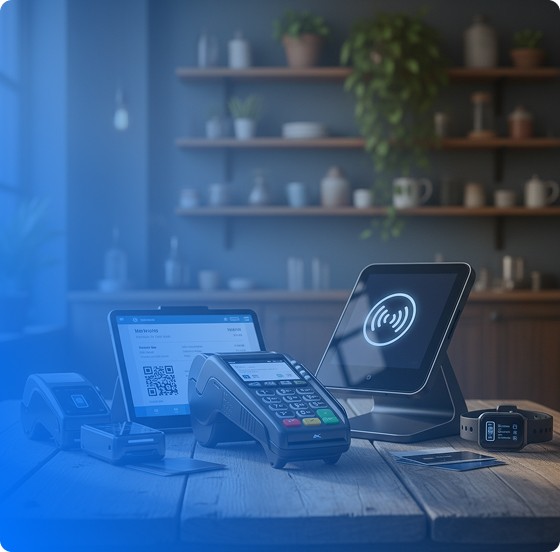
Why AML Compliance Must Be Built Into System Architecture
Anti‑Money Laundering (AML) compliance is often misunderstood by software teams.
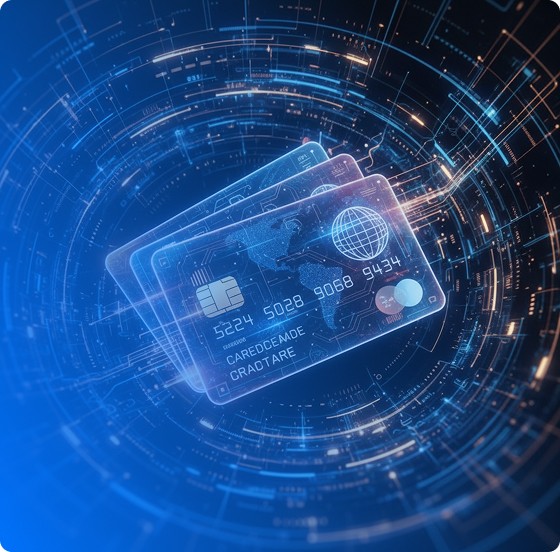
Why Payment Systems Fail (And How to Architect Them Properly)
Payment systems look simple from the outside: a user clicks a button, money moves, and the transaction is complete.
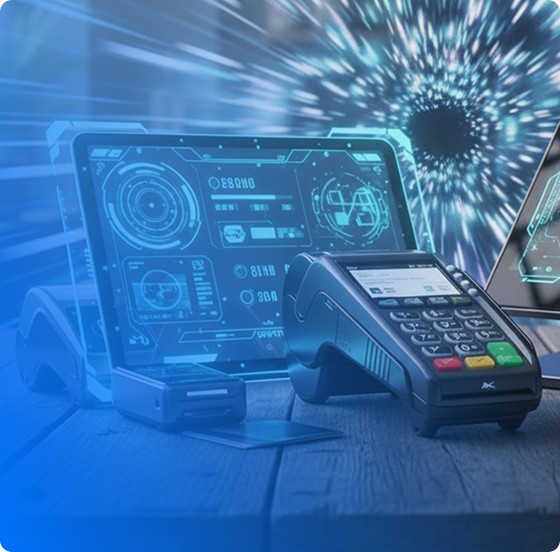
The Evolution of Payments — From Cash to Digital Assets
The way we exchange value has undergone a massive transformation over the past few decades.
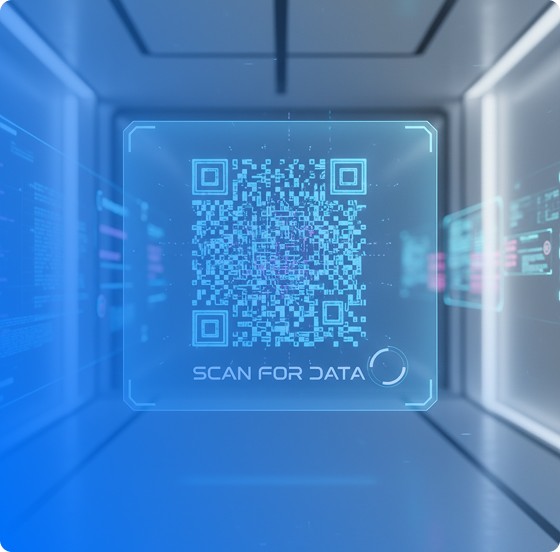
Why Payment Infrastructure Is the Backbone of Modern Business
In today’s digital economy, payment infrastructure is more than just a backend system — it is a core driver of business growth, customer experience, and global expansion.
How Eminno is Powering the Future with AI
Artificial Intelligence isn’t just shaping the future -It’s driving the present.